Secrets to Maintaining Healthy Hydrangeas
Posted on 17/06/2025
Secrets to Maintaining Healthy Hydrangeas
Hydrangeas are classic garden flowers cherished for their stunning globe-shaped blooms and impressive foliage. Gardeners everywhere dream of lush, thriving hydrangea bushes bursting with color from spring through fall. But nurturing these beauties to their full potential requires know-how and consistency. In this comprehensive guide, we unveil the top secrets to maintaining healthy hydrangeas, ensuring your garden becomes a hydrangea haven!
Understanding Hydrangeas: Types and Their Needs
Before diving into care tips, it's crucial to understand that not all hydrangeas are created equal. There are several popular hydrangea varieties, and each has unique requirements:
- Bigleaf Hydrangeas (Hydrangea macrophylla): Known for their mophead or lacecap blooms, they are sensitive to soil pH, influencing flower color.
- PeeGee Hydrangeas (Hydrangea paniculata): Cone-shaped panicles and vigorous growth, they tolerate full sun better than other types.
- Oakleaf Hydrangeas (Hydrangea quercifolia): Unique foliage resembling oak leaves; blooms can turn pinkish as they age.
- Smooth Hydrangeas (Hydrangea arborescens): Famous for large, white flower heads; quite cold hardy and manageable.
- Climbing Hydrangeas (Hydrangea petiolaris): An excellent option for shaded walls and fences, offering lovely white blooms.
Knowing your hydrangea variety helps you provide tailored care and maximize healthy growth and blooming.
Choosing the Optimal Location for Healthy Hydrangeas
One of the most vital secrets to growing vibrant hydrangeas is location. The right spot directly affects your plant's health, disease resistance, and bloom quantity.
The Importance of Sunlight
Hydrangeas generally prefer partial shade. Too much sun can scorch leaves and wilt blooms, while too little results in leggy growth and sparse flowers.
- Bigleaf and Oakleaf hydrangeas: Prefer morning sun and afternoon shade.
- PeeGee and Smooth hydrangeas: Tolerate more sun, thriving even in full sunlight if watered adequately.
Tip: Hydrangeas planted on the east side of your home or beneath high-branched trees usually thrive, benefiting from morning light and afternoon shade.
Soil: The Foundation of Hydrangea Health
Healthy hydrangeas start with quality soil. Aim for:
- Moisture retention: Hydrangeas prefer consistently moist, but not waterlogged, soil.
- Good drainage: Avoid low spots or areas with standing water.
- Rich in organic matter: Amend soil with compost or leaf mold for nutrients and structure.
- Slightly acidic pH: A pH between 5.5 and 6.5 is ideal, especially for blue-flowering varieties.
Secret: Performing a soil test reveals essential details for fertilizer and amendment choices, optimizing long-term hydrangea health.
Consistent and Correct Watering Techniques
Hydrangeas are notorious for their water needs. Consistent watering is key to avoid wilting and promote lush flowers.
How Much and How Often?
- Newly planted hydrangeas: Need deep watering 2-3 times per week until established.
- Established plants: 1 inch of water per week, more during hot, dry spells.
Pro tip: Water early in the morning to reduce evaporation and prevent fungal disease.
Watering Method
Use a soaker hose or drip irrigation to deliver water directly to the roots, avoiding wetting the leaves. This reduces the risk of leaf diseases and ensures roots get the moisture where they need it most.
The Right Fertilization for Hydrangea Growth
Fertilizer supports robust foliage, healthy roots, and abundant blooms. But too much or the wrong kind can stress plants.
Choosing the Best Fertilizer
- Slow-release, balanced fertilizers (such as 10-10-10 or 12-4-8) are ideal.
- Avoid high-nitrogen fertilizers, as they encourage leaf growth at the expense of blooms.
- Organic options like compost or well-rotted manure feed the plant gradually and improve soil health.
When and How to Feed
- Apply fertilizer in early spring as the plant emerges.
- In warmer climates, feed again in June; avoid fertilizing late in the season to prevent tender growth before frost.
Note: Over-fertilization can lead to fewer flowers and weaker stems. Always follow the product recommendations!
Pruning Hydrangeas for Health and Beauty
Proper pruning is a secret to healthy, attractive hydrangeas. However, pruning at the wrong time or the wrong way can sacrifice flowers for the season.
Understanding Bloom Cycles
- Hydrangea macrophylla (bigleaf) and quercifolia (oakleaf): Bloom on old wood. Prune after flowering, before new buds form in late summer.
- Hydrangea paniculata (PeeGee) and arborescens (smooth): Bloom on new wood. Prune in late winter or very early spring before new growth begins.
How to Prune for Healthier Bushes
- Remove dead, damaged, or diseased wood first.
- Thin out weak or crossing stems to increase airflow.
- Shape the plant lightly, never drastically cutting back unless recommended for the type.
Secret: Avoid heavy pruning on bigleaf and oakleaf hydrangeas, or you'll lose next season's blooms!
Adjusting Flower Color: Hydrangea Color Secrets
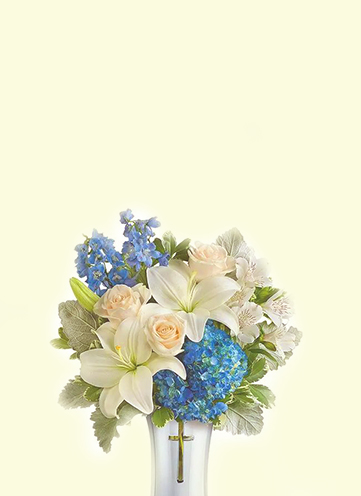
One of the most enchanting aspects of hydrangeas is their ability to change flower color based on soil chemistry:
- Blue Flowers: Acidic soil (pH below 6.0), higher aluminum availability.
- Pink Flowers: Alkaline soil (pH above 7.0), lower aluminum availability.
How to Change Hydrangea Color:
- For blue blooms: Add aluminum sulfate or sulfur to acidify the soil.
- For pink blooms: Add garden lime to raise the pH and decrease aluminum availability.
Tip: Not all hydrangeas change color--mainly Hydrangea macrophylla (bigleaf) varieties.
Mulching: The Secret Armor for Hydrangeas
Mulch offers multiple advantages for hydrangea health:
- Retains soil moisture and cools roots.
- Suppresses weeds that compete for nutrients.
- Prevents soil erosion and compaction.
- Encourages beneficial soil organisms.
Apply a 2-3 inch layer of organic mulch--like shredded bark, leaf mold, or compost--around the base of your hydrangeas. Avoid piling mulch against the stems.
Pest and Disease Prevention: Keeping Hydrangeas Healthy
Healthy hydrangeas are less susceptible to pests and diseases, but some common threats include:
- Aphids: Small insects that suck sap and cause distorted growth.
- Spider mites: Thrive in hot, dry weather--look for stippled, yellowing leaves.
- Powdery mildew: White, powdery coating on leaves, often in humid areas.
- Leaf spots: Brown or black spots caused by fungal pathogens.
Natural Prevention and Solutions
- Encourage airflow by spacing plants and thinning out crowded growth.
- Avoid overhead watering to keep foliage dry.
- Use insecticidal soap or neem oil for aphids and mites.
- Remove and dispose of infected leaves from the ground to prevent the spread of disease.
- Practice crop rotation and avoid planting in the same spot if disease was previously an issue.
Secret: Most hydrangea diseases are due to environmental stress. Focus on robust care, and your plants will fend off many problems naturally.
Seasonal Care for Year-Round Hydrangea Health
Smart seasonal maintenance ensures long-lasting hydrangea health and abundant blooms year after year.
Spring:
- Clear old mulch and debris from around plants.
- Prune appropriately based on variety.
- Apply balanced fertilizer and a fresh layer of mulch.
- Check for winter damage and cut back dead wood.
Summer:
- Water deeply as temperatures rise.
- Monitor for pests and disease, acting quickly if signs appear.
- Deadhead faded blooms (except on varieties that set buds on old wood).
Fall:
- Avoid heavy pruning late in the season.
- Add additional mulch to insulate roots in cold climates.
- Take cuttings for propagating new plants.
- Reduce watering as temperatures drop and growth slows.
Winter:
- In cold regions, wrap plants with burlap or use protective cages to shield from harsh winds.
- Avoid foot traffic around plants to prevent soil compaction and root damage.
Year-round diligence helps maintain strong, beautiful hydrangeas for many growing seasons.
Container Grown Hydrangeas: Secrets to Success
Hydrangeas aren't limited to garden beds; they also thrive in containers with the right care. Here are container hydrangea care secrets:
- Use large pots with proper drainage holes to avoid waterlogging.
- Fill with a high-quality, peat-based potting mix rich in organic matter.
- Water more frequently as pots dry out faster than garden soil.
- Fertilize with a slow-release, balanced fertilizer according to label directions.
- Move containers to sheltered spots in extreme heat or cold.
Propagating Hydrangeas: Grow Your Collection
Hydrangea propagation is a rewarding and cost-effective method to expand your garden. The best time is late spring or early summer, using the following methods:
- Stem cuttings: Take a non-flowering shoot, dip in rooting hormone, and place in moist potting mix.
- Layering: Bury a low branch under soil while still attached to the main bush until rooted.
Be patient--rooting takes several weeks. Once new roots develop, transplant your new hydrangea bush to the desired spot.
Frequently Asked Questions: Troubleshooting Hydrangea Problems
Why are my hydrangea leaves turning yellow?
Common causes: Overwatering, poor drainage, or nutrient imbalance. Check soil moisture and amend with compost or an iron-rich fertilizer if needed.
My hydrangea won't flower--what's wrong?
- Pruned at the wrong time (cutting off flower buds)
- Too much fertilizer, especially nitrogen
- Severe winter damage to buds
- Insufficient sunlight
How do I revive a wilted hydrangea?
Hydrangeas bounce back if watered thoroughly at the base. Apply mulch to conserve moisture and watch for signs of recovery within hours after watering.
Conclusion: Flourish with These Secrets to Growing Healthy Hydrangeas
With their striking flowers and adaptable foliage, hydrangeas enrich gardens small and large. By following these secrets for hydrangea health--from smart siting and attentive watering to correct pruning and timely feeding--you ensure robust, blooming plants every season. Remember, consistency is key: healthy hydrangeas thrive on steady care and a bit of garden wisdom.
Put these secrets for growing and maintaining show-stopping hydrangeas into practice, and prepare to be rewarded with an everlasting display of color and beauty!